
The digital ecosystem has transformed visual content into the primary language of online communication. Brands, retailers and platforms depend on images to inform, persuade and reassure. Yet the rise of AI-generated visuals, deepfakes and synthetic media has created a profound trust collapse. Consumers are increasingly unsure whether the images presented to them reflect reality, and this uncertainty affects purchase decisions, brand loyalty and long-term reputation.
Research on consumer vulnerability, including studies on product representation accuracy in e-commerce environments, shows that imagery is not merely decorative. It shapes expectations, guides risk assessments and influences perceptions of credibility. When images become unreliable, consumers respond with caution, skepticism and disengagement. For brands that depend on visual storytelling, this shift introduces a direct commercial challenge: trust is no longer granted by default; it has become something that must be demonstrated and sustained.
Authenticity Has Become Central to Consumer Perception
Image authenticity now plays a decisive role in how consumers interpret brand reliability. As AI-produced visuals spread across social platforms and marketplaces, audiences grow more aware that what they see may not reflect the truth. This awareness generates cognitive friction. Instead of interpreting an image as a straightforward representation, the viewer approaches it with suspicion. Is the product real? Is the model real? Has the scene been constructed? Does the image show the item in use, or is everything generated?
Consumers do not need to be experts in AI to sense these concerns. They simply notice increasing visual inconsistency in the content they encounter. A product image may appear too perfect. A human face may look slightly unnatural. A background may seem uncanny. Even when consumers cannot articulate the technical cause, these signals reduce confidence.
Brands often underestimate this psychological dynamic. They assume that as long as the image is attractive and professionally produced, it will build trust. Today the opposite is increasingly true. An image that looks overly polished, unrealistic or detached from the product’s actual qualities may weaken credibility. The visual web has reached a point where authenticity is more persuasive than aesthetic perfection.

Misuse of Visual Content Damages Brand Trust
For retailers and brands, the misuse of imagery, intentional or accidental, has far-reaching consequences. When consumers suspect that an image does not represent genuine product characteristics, they are more likely to reduce purchase intent, question product quality and scrutinize other brand claims.
This shift in behavior stems from a broader cultural change. Audiences have witnessed the rapid advance of generative AI and the ease with which images can be fabricated or modified. When the boundary between genuine and synthetic visuals becomes blurry, the responsibility shifts to brands to prove that their content reflects reality. Failure to meet this expectation can cause consumers to classify the brand as unreliable, even if the imagery itself is not intentionally misleading.

In e-commerce, the consequences are even more direct. Product images are often the only source of visual verification available to shoppers before making a purchase. If the displayed photo exaggerates features, hides imperfections or uses AI-enhanced elements that distort true product characteristics, the resulting dissatisfaction reinforces the perception that online imagery cannot be trusted. Over time, this dynamic harms not only the individual retailer but also the broader marketplace. As trust declines, consumers protect themselves by relying more heavily on reviews, third-party confirmations and external validation, minimizing their willingness to engage with new or lesser-known brands.
The Psychology Behind Declining Image Trust
Understanding the psychological basis of declining image trust is essential for brands aiming to rebuild it. Human beings process images faster and with less conscious scrutiny than text. In the past, this rapid processing supported marketing effectiveness, because authentic photos triggered intuitive signals of credibility. Now that visual uncertainty has increased, this cognitive shortcut is breaking down.
Consumers no longer assume that an image corresponds to something that physically exists. Instead, they evaluate imagery as a claim that requires validation. This transition forces the viewer to engage analytical thinking rather than intuitive perception, which weakens the emotional connection between consumer and brand. When every visual element must be questioned, the overall user experience becomes more taxing, and the brand’s communication loses part of its persuasive impact.
Moreover, consumers who feel deceived or misled by imagery tend to generalize that suspicion to all future brand interactions. A single incident can permanently shift their perception. In a competitive digital environment, where alternatives are one click away, brands have little margin for error.
Verified Imagery Is Becoming a Strategic Advantage
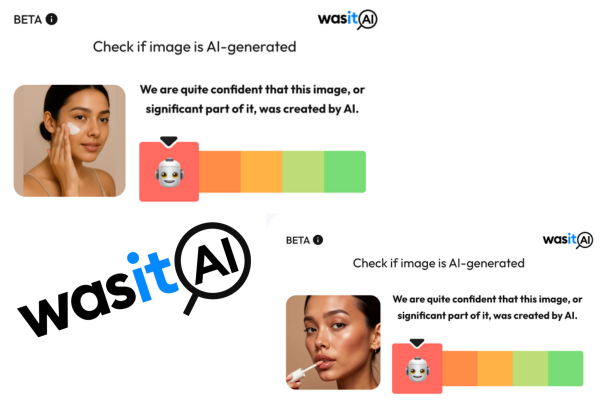
To navigate this trust collapse, brands must adopt practices that reinforce transparency and reliability. One of the clearest paths forward is the implementation of verified imagery. Verification technologies, including image-origin analysis and AI-detection systems, allow brands to confirm that the visuals presented to consumers reflect genuine content rather than synthetic or manipulated material. This validation can be communicated directly to users, offering reassurance that the visual information they rely on corresponds to physical reality.
Verified imagery does more than reduce risk; it strengthens brand identity and signals operational integrity. Tools such as WasItAI, which assess whether an image is human-made or AI-generated, illustrate how verification can be integrated into existing content workflows. As visual uncertainty grows, solutions of this kind will become increasingly valuable for retailers and brand owners who need a dependable method for confirming authenticity at scale.
This approach is particularly important in categories where product accuracy influences purchase decisions. In these contexts, consumers reward brands that take proactive steps to maintain clarity and demonstrate accountability. As the presence of synthetic media continues to expand, verification will gradually shift from an optional enhancement to a standard expectation. Companies that prepare now will position themselves as trustworthy leaders, while those that delay may struggle to meet the expectations of a more discerning audience.
Rebuilding Trust Through Transparency and Realistic Representation
Rebuilding visual trust requires a strategic shift in how brands approach imagery. Instead of prioritizing visual perfection at the expense of authenticity, companies must commit to showing products and experiences as they truly are. This approach aligns with consumer psychology and contemporary expectations. It also reduces the risk of dissatisfaction, returns and negative feedback.
Transparency in visual communication includes consistency between the product delivered and the product depicted. It also involves clarity around whether an image has been digitally enhanced or generated. When brands openly explain their use of technology, or confirm that an image has passed authenticity verification, consumers respond with increased confidence. They feel respected rather than manipulated, which strengthens long-term loyalty.
The Future of Image Authenticity in Brand Communication
The transformation of online imagery is still unfolding, and brands must adapt quickly. The rise of synthetic visuals is not inherently negative. It can support creativity, efficiency and accessibility. The challenge arises when synthetic content is used without transparency in environments where accuracy is essential. The future of brand communication will reward companies that distinguish between creative enhancement and factual representation, ensuring that consumers always know what they are looking at.
Trust is an economic asset. When consumers lose confidence in images, they hesitate, delay or abandon purchases. They shift their loyalty to brands that prioritize authenticity. They expect verification, clarity and honesty. In this environment, brands that demonstrate responsibility in their visual practices will outperform those that treat imagery as an afterthought.
Image Authenticity as the Foundation of Consumer Perception
The trust collapse surrounding online images marks a turning point for digital commerce and brand communication. Visual content remains essential, but its impact depends entirely on whether consumers believe it. As AI-generated visuals continue to spread, brands that commit to authentic representation and verified imagery will be the ones that sustain credibility, drive conversions and maintain long-term loyalty. The path forward requires seriousness, transparency and a clear understanding of consumer psychology. Authentic images do more than represent products accurately – they anchor trust in an online world that increasingly depends on it.